Rates, War and Bitcoin: Markets Are Starting to Question What Is Safe
Gold Spot Price AUD $6132.79
Silver Spot Price AUD $94.65
Platinum Spot Price AUD $2587.82
Australian households are staring down another interest rate rise just as cracks in the housing market become harder to ignore. The RBA meets on September 29, with financial markets now pricing a very high chance of another 0.25 percentage point increase, taking the cash rate from 4.35% to 4.60%. Governor Michele Bullock has stopped short of pre-committing to the move, but has warned that inflation risks may be materialising again, particularly as high energy prices feed through the economy.
That creates an increasingly uncomfortable situation for Australian property. The RBA itself has acknowledged that established housing conditions have softened more than expected, while higher mortgage rates are already pushing scheduled repayments back towards their 2024 peak as a share of household disposable income. Another rate rise would add further pressure at precisely the time confidence around buying, selling and investing in property is deteriorating.
Overseas, the geopolitical picture isn’t helping. The Saudi Arabia-Yemen conflict has again intensified, with Houthi attacks on Saudi Arabia and Red Sea shipping drawing a fresh response from the G7. Italy is becoming more directly involved in protecting shipping through the Red Sea, with its defence minister calling for a stronger naval presence and reports of an Italian aircraft being damaged during an attack on a Saudi air base. This isn’t quite Italy formally “joining the war”, but it is another European country being pulled closer to a conflict that continues to threaten one of the world’s most important energy and shipping corridors.
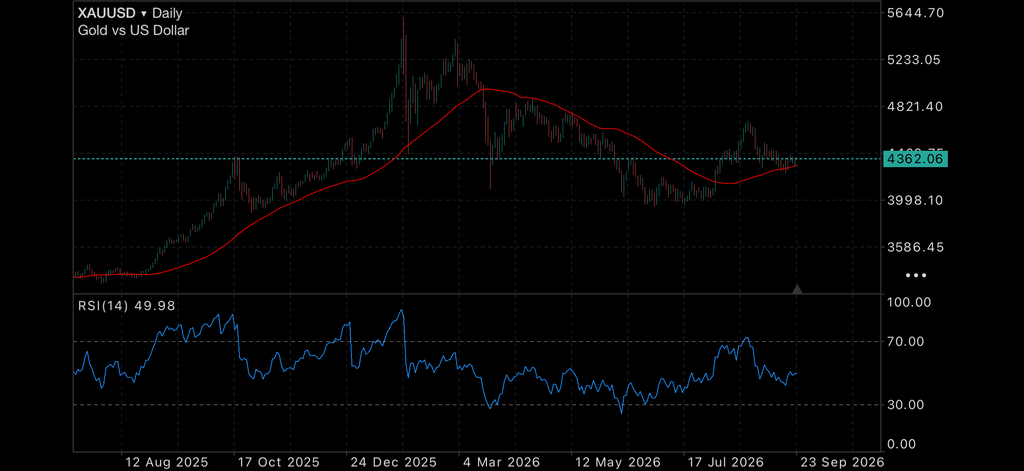
Against all of this, gold is doing something interesting: not very much. Gold has remained comparatively steady despite higher interest rates, rising bond yields and a stronger US dollar. The World Gold Council noted this week that even rate hikes from the US Federal Reserve and Bank of Japan failed to derail gold, suggesting demand may be becoming less sensitive to the traditional relationship between gold, yields and the dollar.
Bitcoin, meanwhile, has suddenly gone the other way. It surged through US$86,000 this week, reaching its highest level in around eight months after climbing more than 7% in Monday trading.
The tempting conclusion is that investors are losing confidence in the US dollar and moving into alternatives. There may be an element of that, particularly as concerns around government debt, currency debasement and long-term purchasing power continue to hang over markets. Coinbase Institutional recently described a period in which the so-called “debasement trade” appeared to favour Bitcoin over gold.
But Bitcoin’s latest jump shouldn’t be treated purely as a vote against the dollar. Technology stocks rallied alongside it, suggesting that renewed appetite for risk is also playing a substantial role. What is perhaps more interesting is that gold and Bitcoin are both attracting attention while doing very different things: gold is holding its ground as the defensive asset, while Bitcoin is behaving more like the aggressive alternative.
With Australian rates potentially heading higher, housing under pressure and geopolitical tensions spreading across strategically important regions, markets appear increasingly willing to look beyond conventional shares, bonds and currencies. Whether that represents declining confidence in the US dollar or simply investors spreading their bets is harder to answer, but right now both gold and Bitcoin are giving us something worth watching.
This article is general market commentary only and should not be relied upon as personal financial advice. Consider the information carefully, conduct your own independent assessment and seek professional advice where appropriate before making any investment decision.
Enjoy today’s charts
Gold daily chart, with 50MDA
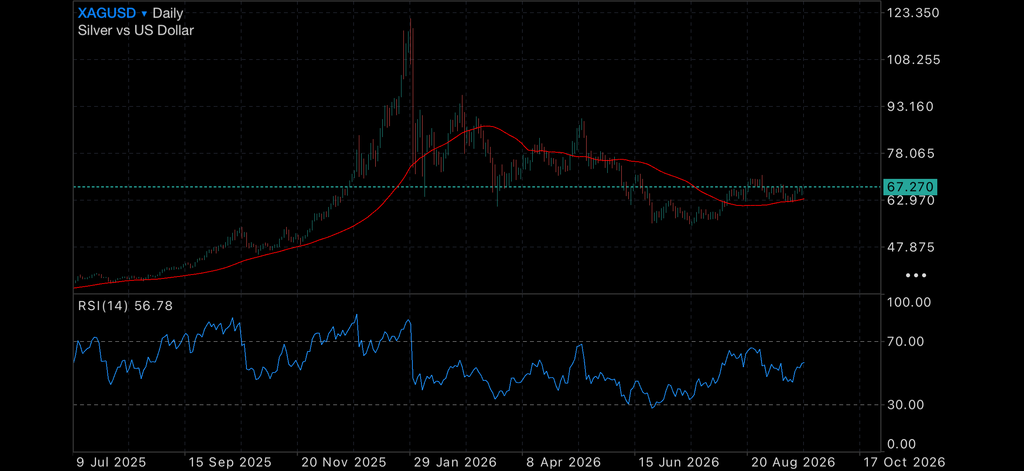
Silver daily chart, with 50MDA
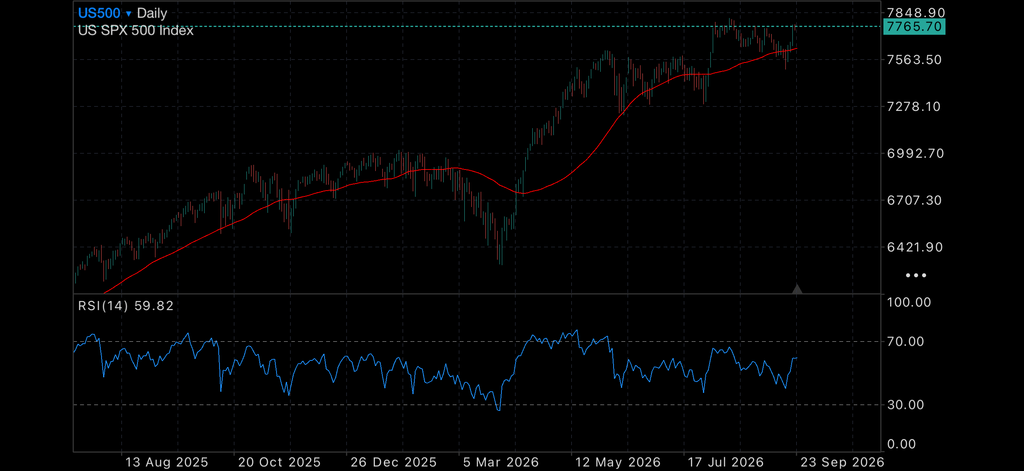
US500, with 50MDA
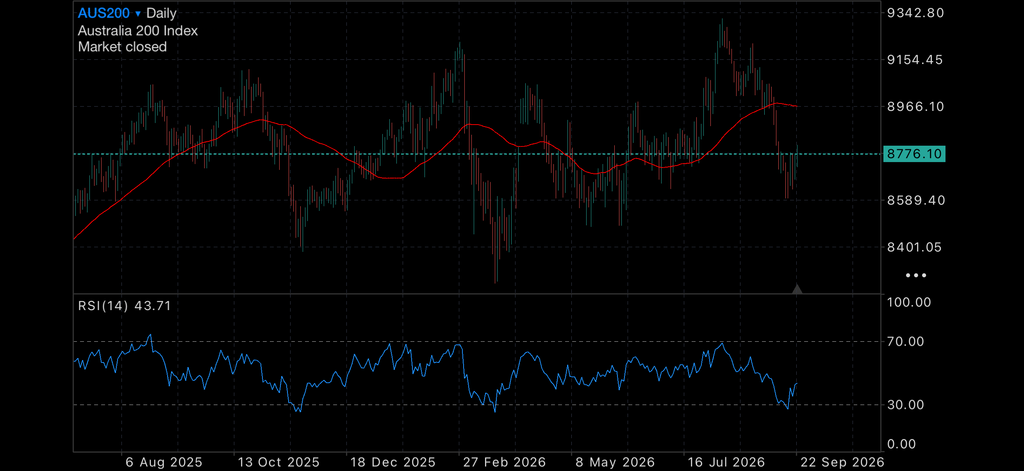
ASX200, with 50MDA