Has the RBA Missed Inflation? And Is There a Better Way to Fight It?

Gold Spot Price AUD $5943.43
Silver Spot Price AUD $85.21
Platinum Spot Price AUD $2364.12
Australia’s inflation problem is proving far more stubborn than the Reserve Bank had hoped, raising questions about whether interest rate increases have come too late to prevent another prolonged period of financial pressure on households. With inflation climbing to 4% in August, up from 3.5% in July, the RBA has now lifted the official cash rate to 4.60%, its highest level in 15 years. Yet despite repeated increases, the cost of living continues to climb, leaving many Australians wondering whether the traditional approach to controlling inflation is actually working.
The problem is that interest rates take considerable time to influence the broader economy. By the time households reduce spending, businesses adjust their investment plans and borrowing slows, inflation may have already worked its way through the system. The RBA acknowledges that higher energy costs, international conflict and domestic demand are all contributing to inflation, although its recent decisions suggest it remains concerned about allowing these pressures to become entrenched. The question now is whether further rate increases will bring inflation under control or simply place additional pressure on an economy already struggling with expensive housing, energy and everyday essentials.
But an interesting alternative is gaining attention, and it raises a fairly reasonable question. Rather than continually increasing interest rates and directing more household income towards mortgage repayments, why not temporarily increase compulsory superannuation contributions instead?
The theory is surprisingly simple. Inflation is partly driven by too much money chasing too few goods and services, so reducing the amount of disposable income circulating through the economy can help ease demand. Increasing compulsory superannuation contributions funded from wages could achieve some of that reduction, but with one important difference: instead of households paying additional interest to their banks, Australians would be building their own retirement savings.
Consider someone earning $100,000 annually. A temporary additional 2% contribution into superannuation would redirect $2,000 each year, or around $38 per week, from their disposable income into their retirement account. Across millions of working Australians, that could represent billions of dollars being redirected away from immediate consumption and into longer-term investments. Unlike higher mortgage interest, that money would remain invested for the benefit of the individual, although investment returns would not be guaranteed.
Of course, the proposal isn’t without complications. Increasing superannuation contributions would need to come from take-home wages to achieve the intended reduction in spending. If employers simply paid more super on top of existing salaries, it could increase business costs and potentially contribute to inflation. It would also affect workers differently, particularly those already struggling to meet rent, mortgage repayments and basic living expenses. Retirees and others outside the workforce would also be largely unaffected, meaning it couldn’t completely replace interest rates as a tool for managing inflation.
There is another important distinction. Higher interest rates influence borrowing, investment, exchange rates and savings decisions throughout the economy, while compulsory superannuation primarily affects employed Australians. Redirecting wages into super may reduce immediate consumption, but the money doesn’t disappear from the financial system; super funds reinvest it into shares, bonds, property and other assets. Any alternative would therefore need careful design to avoid creating new problems elsewhere.
Nevertheless, the idea raises a worthwhile debate about who should carry the burden of fighting inflation. Under the existing system, heavily indebted households can face enormous increases in repayments while those without mortgages may experience considerably less direct financial pressure. Banks also benefit from higher interest income on some loans, although their funding and deposit costs rise as well.
With inflation remaining above the RBA’s 2–3% target and further monetary tightening still a possibility, perhaps it’s time for a broader conversation about how Australia manages inflation. Interest rates remain an important economic tool, but they are not the only conceivable way to reduce spending, and they certainly don’t distribute the financial burden evenly.
For Australians watching their mortgage repayments climb while their purchasing power continues to shrink, the prospect of building personal wealth rather than paying additional interest is understandably appealing. Whether compulsory superannuation could ever become a practical inflation-control mechanism remains open to debate, but the underlying question is worth asking: if Australians must sacrifice spending today to stabilise the economy, shouldn’t we explore ways for them to benefit from that sacrifice tomorrow?
This article is general market commentary only and should not be relied upon as personal financial advice. Consider the information carefully, conduct your own independent assessment and seek professional advice where appropriate before making any investment decision.
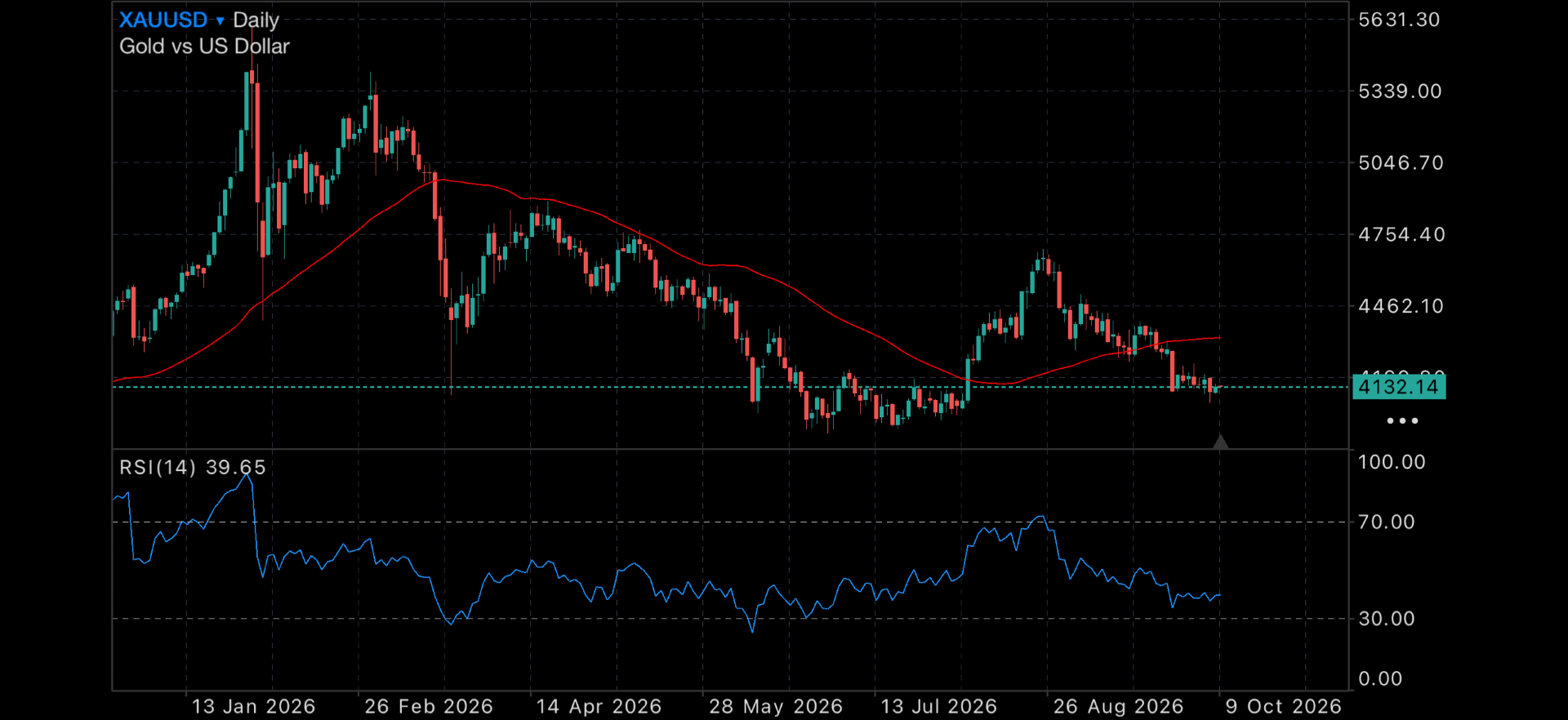
Gold daily chart, with 50MDA
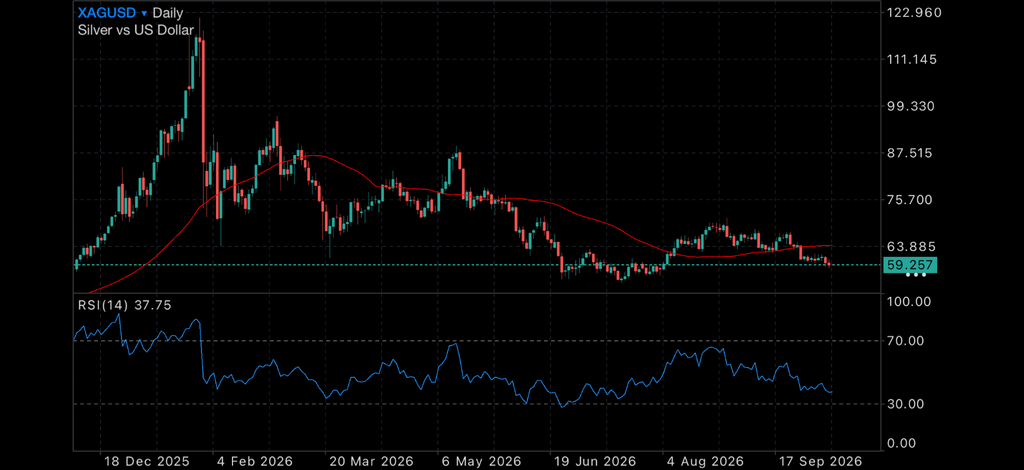
Silver daily chart, with 50MDA
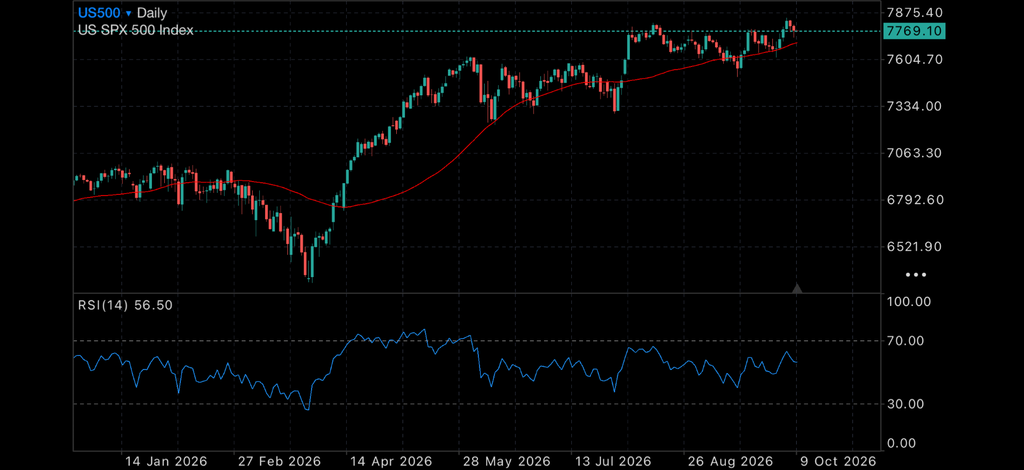
US500, with 50MDA
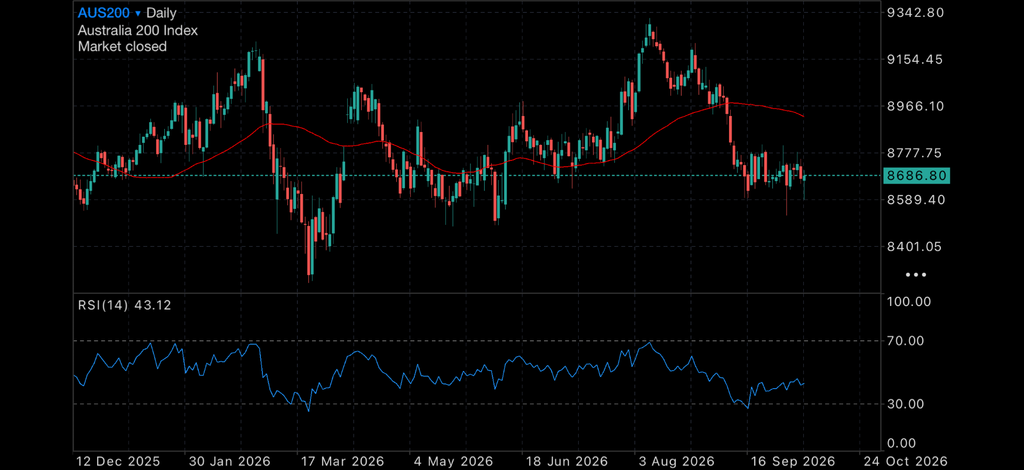
ASX200, with 50MDA