Borrowing Costs Bite as Oil Keeps Inflation Pressure Alive
Gold Spot Price $6118.84
Silver Spot Price $89.32
Platinum Spot Price $2420.57
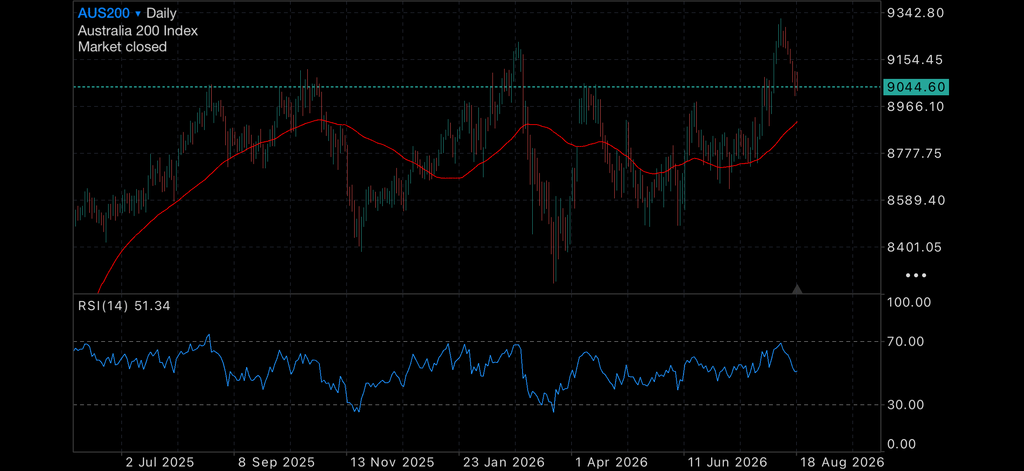
Australian government borrowing costs have climbed to their highest levels in almost 15 years, with the yield on 10-year government debt once again pushing above 5%. That may sound like a problem contained to the bond market, but it quickly spreads. Governments face higher interest bills, businesses pay more to borrow and investors begin questioning whether expensive shares still look quite as attractive when relatively safe bonds are offering stronger returns. The pressure has already dragged the Australian sharemarket away from its recent highs as investors adjust to money remaining expensive for longer.
The latest rise in bond yields is also delivering an uncomfortable message to Canberra. Australia can continue borrowing, but investors now expect to be paid considerably more for handing over their money. Inflation remains stubborn, government debt issuance continues and the ongoing conflict between the US and Iran is keeping energy costs uncomfortably high. The result is a market that sees fewer clean opportunities for borrowing costs to fall, even if economic growth begins to soften.
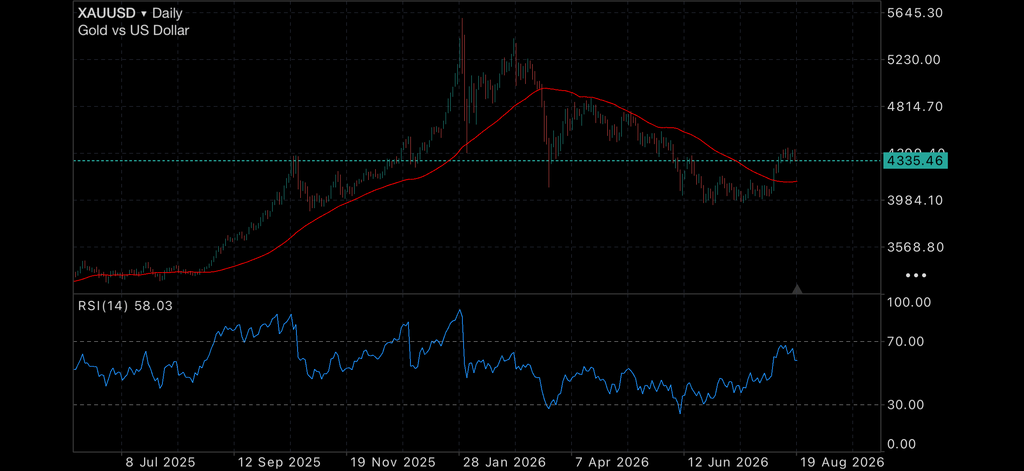
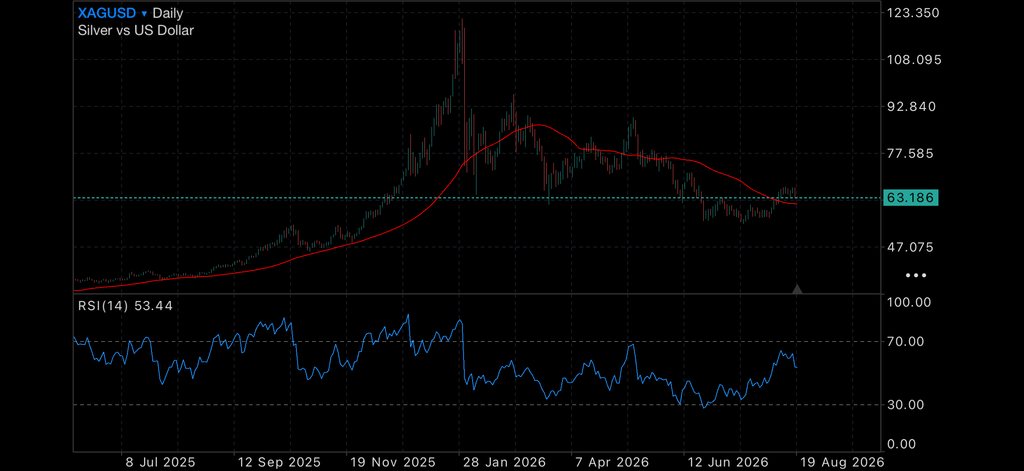
Gold and silver, meanwhile, are sitting relatively pretty. Both metals have eased as bond yields climbed, although they remain well above where they began their recent recovery and continue to hold comfortably above their 50-day moving averages. This is a healthier position than we saw only a few weeks ago, particularly while sharemarkets and bond markets are trying to determine what higher rates and more expensive energy will mean for the months ahead.
Oil has again become the thread connecting much of this uncertainty. Brent crude has moved back above US$90 a barrel as hopes of a quick resolution between the US and Iran fade, with continued tension around the Strait of Hormuz leaving markets reluctant to price in a return to normal supply conditions. Oil traders now appear to be preparing for an extended period of disruption rather than a short-lived spike.
Unfortunately, expensive oil rarely remains an oil-market problem. It works its way into petrol, freight, air travel, manufacturing, food production and almost everything that needs to be transported. That keeps inflation pressure alive, makes it harder for central banks to lower rates and pushes government borrowing costs higher. For gold and silver, this combination of persistent inflation, geopolitical instability and increasingly expensive government debt continues to provide a fairly solid foundation, even if prices pause while the rest of the market catches its breath.
Enjoy today’s charts
Gold daily chart, with 50MDA
Silver daily chart, with 50MDA
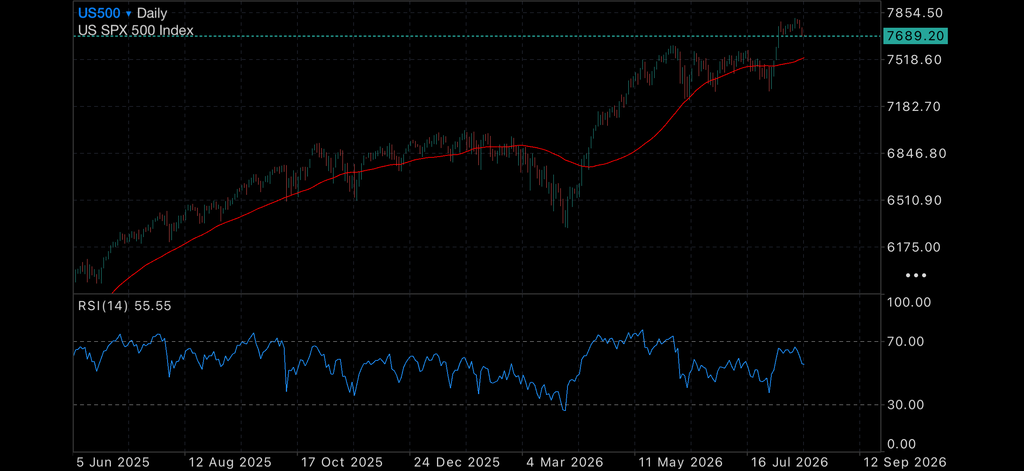
US500, with 50MDA
ASX200, with 50MDA