Australia’s CGT Shake-Up Sparks Fresh Investor Uncertainty
Australia’s proposed Capital Gains Tax overhaul has quickly become one of the biggest talking points following this week’s Federal Budget, with investors, accountants, and property owners all now trying to understand what the changes may mean over the next decade.
For more than 25 years, Australians holding an asset longer than 12 months have benefited from the existing 50% CGT discount. The system was relatively simple. Hold an investment long enough, sell it, and only half the gain was added to taxable income. It became deeply embedded into the way Australians approached property investing, shares, business ownership, and long-term wealth creation.
Under the proposed new model beginning in July 2027, the government plans to remove that familiar 50% discount structure for future gains and instead move toward a system tied more closely to inflation and the length of time an asset is held. While the final legislation is still likely to be debated heavily, markets have already started reacting to the broader implications.
The immediate focus has naturally fallen on housing. Australia is already dealing with affordability pressure, high mortgage repayments, and a lack of housing supply. Many investors are now questioning whether reducing tax incentives for long-term property ownership could further discourage private investment at a time when the country is already struggling to build enough homes.
At the same time, the changes arrive during a period where Australians are feeling pressure from almost every angle. Interest rates remain elevated, fuel pricing has stayed volatile following ongoing instability around global oil supply routes, and the cost of living continues to creep higher across groceries, insurance, construction, and energy.
There is also a growing sense that governments globally are beginning to search harder for future tax revenue as deficits widen and infrastructure spending grows. Historically, these types of periods tend to make investors look more carefully at defensive assets and long-term stores of value.
Gold and silver markets have remained relatively steady through the announcement, although investor sentiment around tangible assets continues to quietly strengthen underneath the surface. Precious metals themselves are not exempt from taxation, but periods of uncertainty around policy, inflation, and long-term currency confidence often push attention back toward physical assets that sit outside the traditional banking system.
Whether the proposed changes ultimately pass in their current form or not, the Budget has clearly triggered a much broader conversation around taxation, investing, and whether younger Australians will have the same opportunities for wealth creation that previous generations experienced.
The coming months will likely determine whether this becomes a genuine structural shift in Australia’s investment landscape, or simply another policy proposal softened through political negotiation.
Enjoy today’s charts
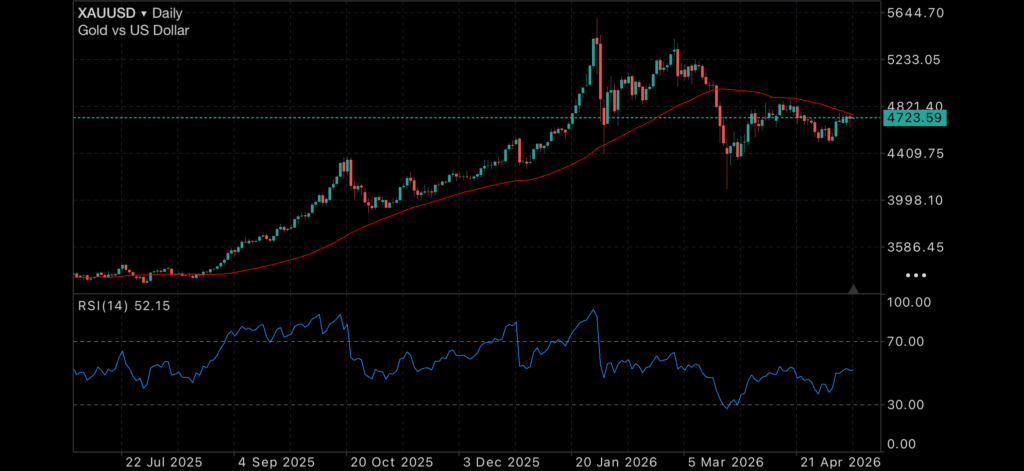
Gold daily chart, with 50MDA
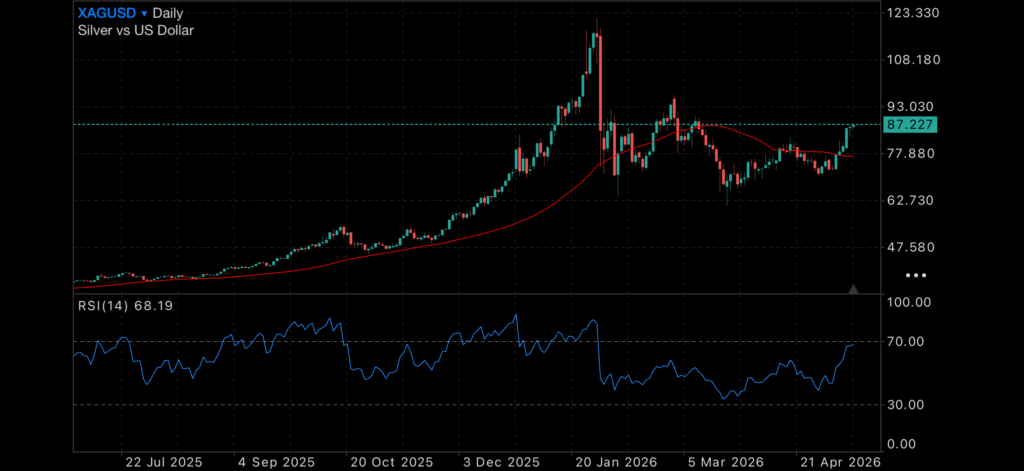
Silver daily chart, with 50MDA
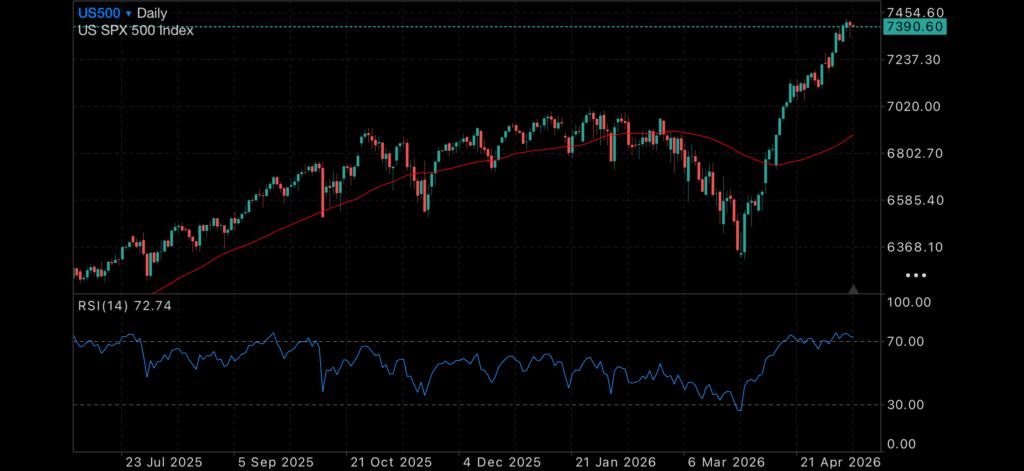
US500, with 50MDA
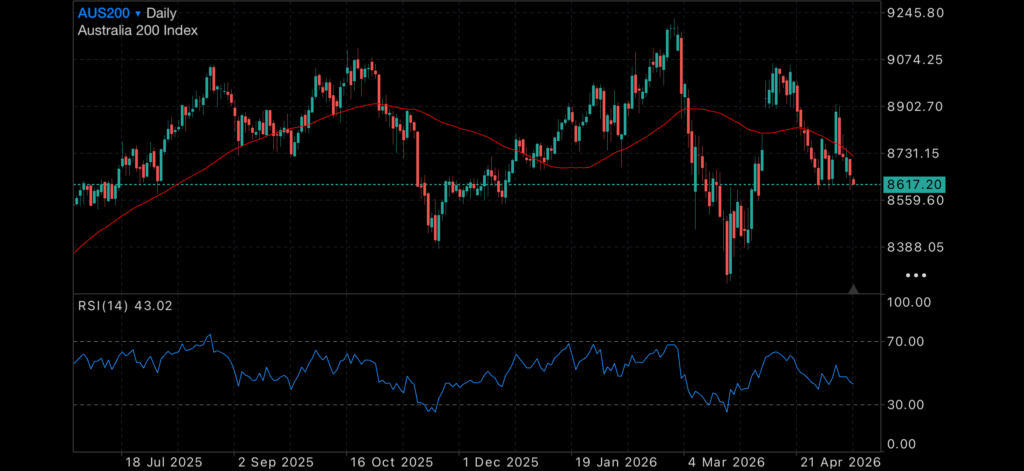
ASX200, with 50MDA