America’s $40 Trillion Debt Problem Meets a New Transparency Blind Spot
Gold Spot Price $6401.90
Silver Spot Price $96.46
Platinum Spot Price $2580.09
The United States has passed another uncomfortable financial milestone, with federal debt now exceeding US$40 trillion. Almost simultaneously, the U.S. Treasury has removed beneficial ownership reporting requirements for American companies, meaning millions of businesses, including shell companies, will no longer need to disclose the people who ultimately own or control them.
The timing is difficult to ignore. Washington desperately needs additional revenue, yet it has made it harder for authorities to see who is sitting behind some of the country’s least transparent corporate structures.
Simply placing a new tax on “shell companies” would not be straightforward. Many are legally established holding companies with little or no direct business activity, while the income and assets flowing through them may already be taxable elsewhere. The real opportunity is better identification and enforcement. Knowing who ultimately owns a company gives authorities a clearer path to uncover hidden profits, aggressive tax avoidance and assets shifted between jurisdictions.
Removing that transparency does not automatically create a tax loophole, but it does make existing rules harder to enforce. It may also encourage more private wealth to sit behind layers of corporate anonymity at precisely the moment the U.S. needs to account for every legitimate dollar of revenue.
The scale of the debt makes this particularly important. America added its latest trillion dollars in only around five months, while interest costs continue to consume a growing share of government revenue. Higher debt requires more Treasury bonds to be issued, but investors are increasingly demanding stronger returns to carry that risk. This can push borrowing costs higher across the wider economy and place further pressure on the U.S. dollar.
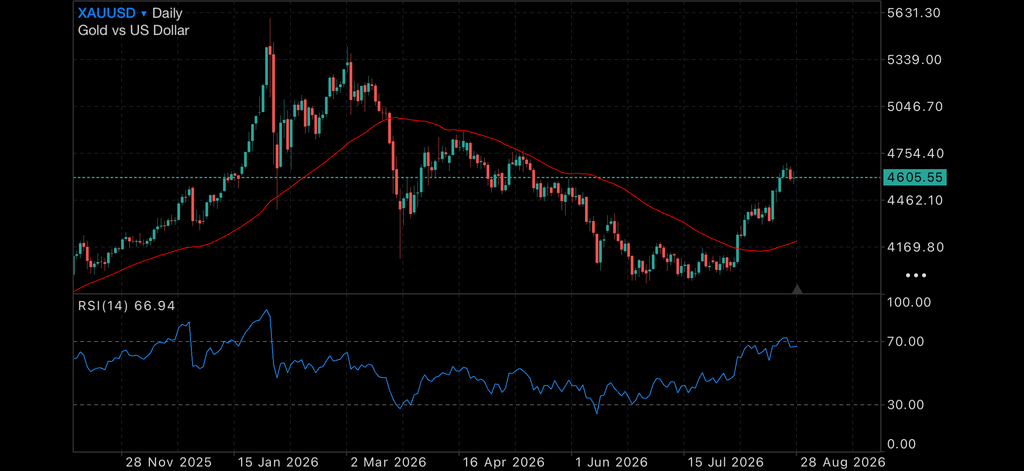
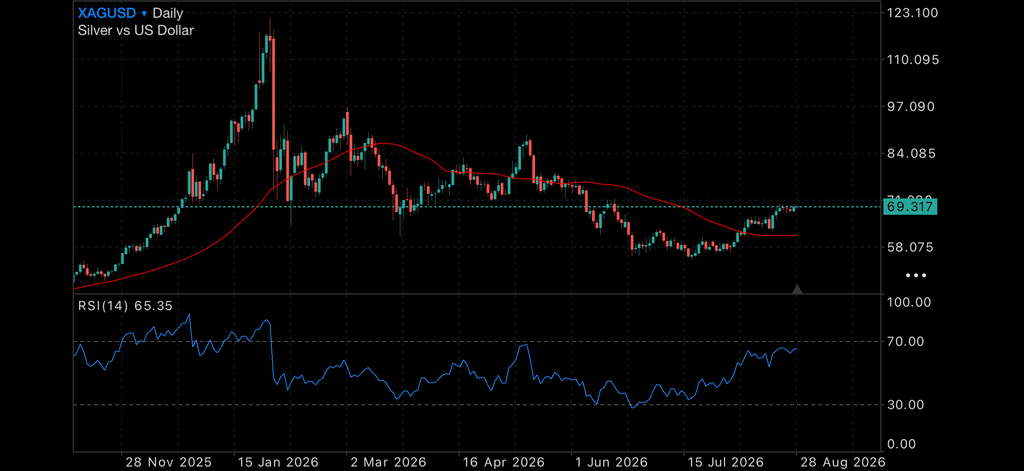
Gold and silver continue to show strength against this backdrop. Gold is holding around US$4,600 an ounce after gaining more than 14% over the past month, while silver is trading near US$69 following an even stronger monthly rise. Both metals have benefited from renewed concern around government debt, currency weakness and the long-term purchasing power of cash.
The U.S. still has the economic size and taxing capacity to manage its debt, but markets are becoming less willing to accept endless borrowing without consequence. Reducing corporate transparency while debt climbs through US$40 trillion sends an uncomfortable signal, and precious metals appear to be responding accordingly.
This article is general market commentary only and should not be relied upon as personal financial advice. Consider the information carefully, conduct your own independent assessment and seek professional advice where appropriate before making any investment decision.
Enjoy today’s charts
Gold daily chart, with 50MDA
Silver daily chart, with 50MDA
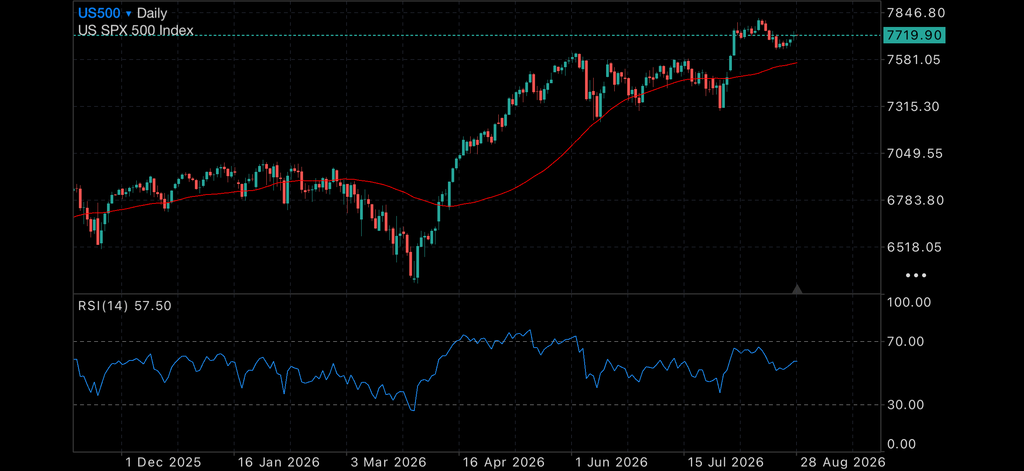
US500, with 50MDA
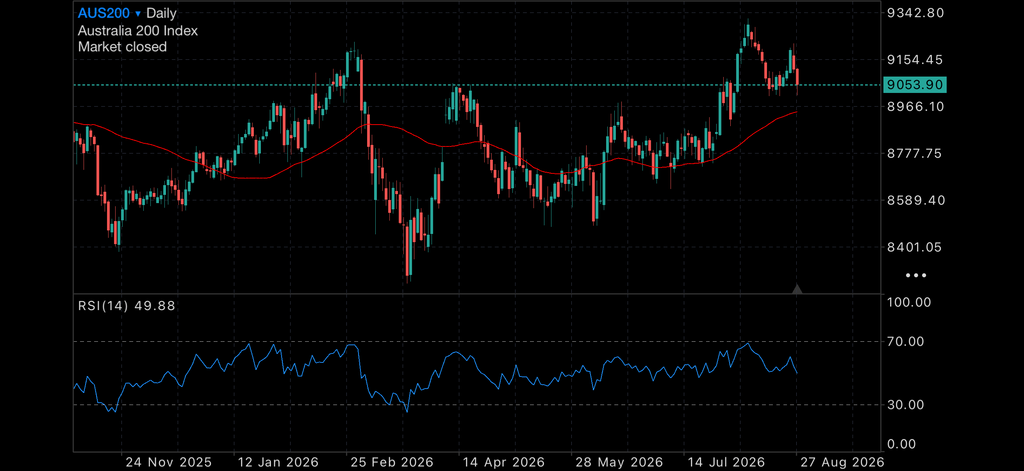
ASX200, with 50MDA